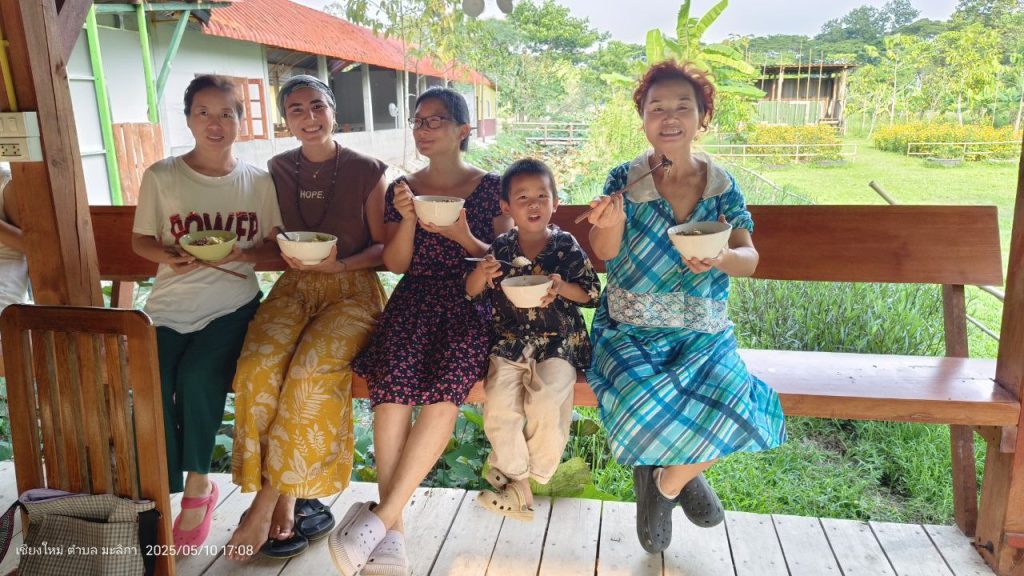
Most intentional communities fail within 5 years. Ours has lasted 17. Here’s what we learned.
By the people of Second Home · April 2026
Intentional communities have a reputation problem. Not because they’re a bad idea, but because most of them fail.
The statistics are sobering. The vast majority of intentional communities dissolve within their first five years. Some collapse under financial pressure. Some fracture over personality clashes. Some simply drift apart when the initial enthusiasm fades and the daily reality of shared living sets in.
We know this, because we’ve been doing it for seventeen years. We’ve outlasted nearly every community that started in the same era. And we’ve learned — often painfully — why most communities fail and what it actually takes to build one that lasts.
Why most communities fail
Having studied the history of communal living and having lived it ourselves, we see the same patterns repeating across cultures and decades.
Problem 1: No shared foundation. Many communities are built on vague feelings — “we all want to live more sustainably” or “we believe in cooperation.” These sentiments are real, but they’re not strong enough to hold a community together when things get hard. When there’s no shared framework for making decisions, resolving conflicts, or defining what the community actually stands for, every disagreement becomes existential.
Problem 2: The founder problem. Communities built around a single charismatic personality tend to either become authoritarian or collapse when the founder leaves. The founder’s vision is the glue, and without structures that transcend any individual, the community cannot survive transition.
Problem 3: Half-measures on sharing. Many communities try to split the difference — some shared resources, some private property, some collective meals, some individual kitchens. This seems reasonable, but in practice it creates endless negotiation about where the line is. Who pays for the roof repair? Whose turn is it to clean? The compromises breed resentment precisely because no clear principle governs them.
Problem 4: No mechanism for growth. Communities that don’t help their members grow as individuals become stagnant. People join with enthusiasm, and after a few years of the same routine, they feel trapped. Without inner development, communal living becomes just another rut — a nicer one, perhaps, but a rut nonetheless.
What we do differently
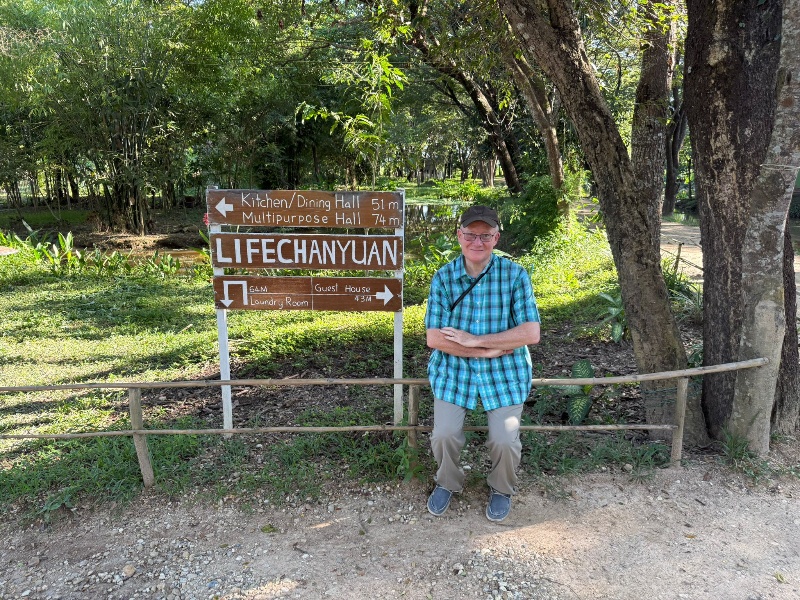
When the Italian scholar Massimo Introvigne — the founder of the Center for Studies on New Religions and editor of Bitter Winter magazine — visited our Thai community in September 2025, he arrived with the analytical eye of someone who has studied hundreds of spiritual and communal movements worldwide. He spent time living with us, eating with us, and interviewing our members.
His conclusion surprised him. He had expected to find a political commune or a cult of personality. Instead, he found what he described as “a spiritual experiment — radical, joyful, and deeply intentional.” He noted that the community’s structure “reminded me of anarchist ideals from the 19th and early 20th centuries — horizontal, cooperative, and fluid. However, unlike anarchist experiments, Lifechanyuan is not driven by resistance. It is driven by joy.”
That observation — driven by joy, not resistance — captures something essential about why Second Home has lasted when so many others haven’t. Here is how we address each of the problems that kill most communities:
A shared foundation that actually works
Our community is held together by a specific, comprehensive set of principles: the 800 Values for a New Era of Humanity and the Second Home Production and Living Procedures. These are not vague ideals. They are detailed, practical agreements about how to live — covering work, relationships, conflict resolution, personal development, the care of shared spaces, and the purpose of communal life.
New members study these values before joining. Not everyone agrees with every point — but everyone agrees to live by them. This means that when conflicts arise, there is a shared reference point. We don’t have to reinvent our principles every time there’s a disagreement. The framework is already there.
Leadership without authority
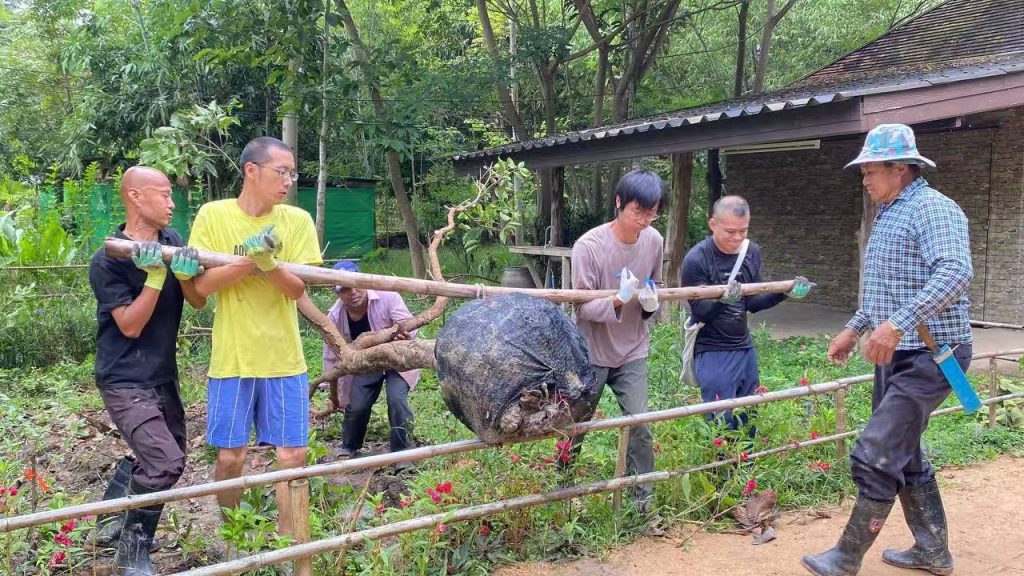
Our founder, Xuefeng, plays an important role — but not the role that outside observers usually expect. He is not a boss. He does not make daily decisions for the community. As Introvigne observed, hierarchy within Second Home is minimal. The branch director “is not considered a ‘leader.’ He acts as a facilitator.”
More importantly, the community is designed to outlast any individual. The principles, the procedures, and the values exist independently of whoever happens to be alive at any given time. A senior member of our Thai community, who has been with the movement almost since the beginning and is expected to guide the community in the future, described her role simply: “Ideally, we all should connect directly with the Greatest Creator. But most people need guides. The master teaches you during the journey — but when you arrive at the destination, you are the master.”
Full sharing, not half-measures
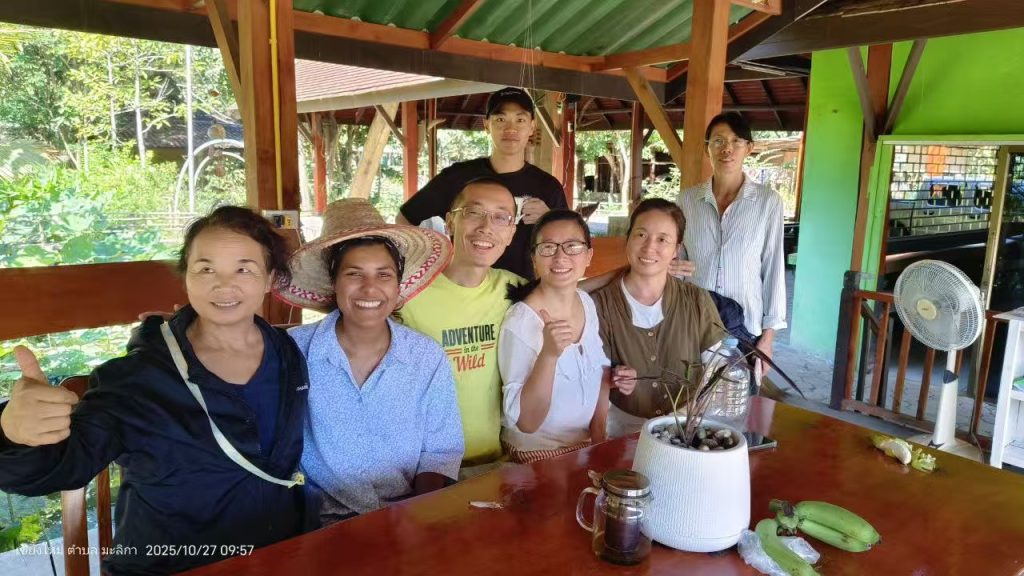
We don’t split the difference on sharing. Members do not own private property. Not their clothes, not their phones, not their furniture. Everything belongs to the community. If someone needs something — a shirt, a notebook, a bus ticket — they ask the member responsible for procurement.
This sounds extreme to most people. In practice, Introvigne found that members experience it as liberation, not deprivation. One member told him: “I used to worry about bills, rent, and savings. Now I just live.”
The key insight is that full sharing eliminates the endless negotiations that plague partial-sharing communities. There is no argument about who pays for what, because no one pays for anything individually. The community provides for everyone equally, for life.
Daily life that feeds the soul
Most communities focus on external structures — governance, finances, land management. These matter, but they’re not enough. What makes Second Home sustainable over decades is that daily life itself is designed to nourish people.
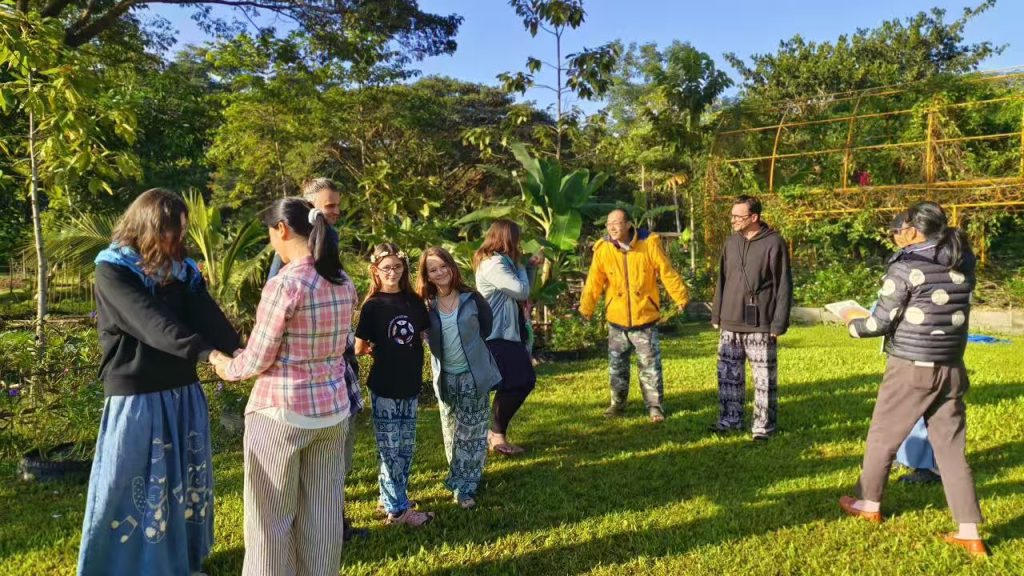
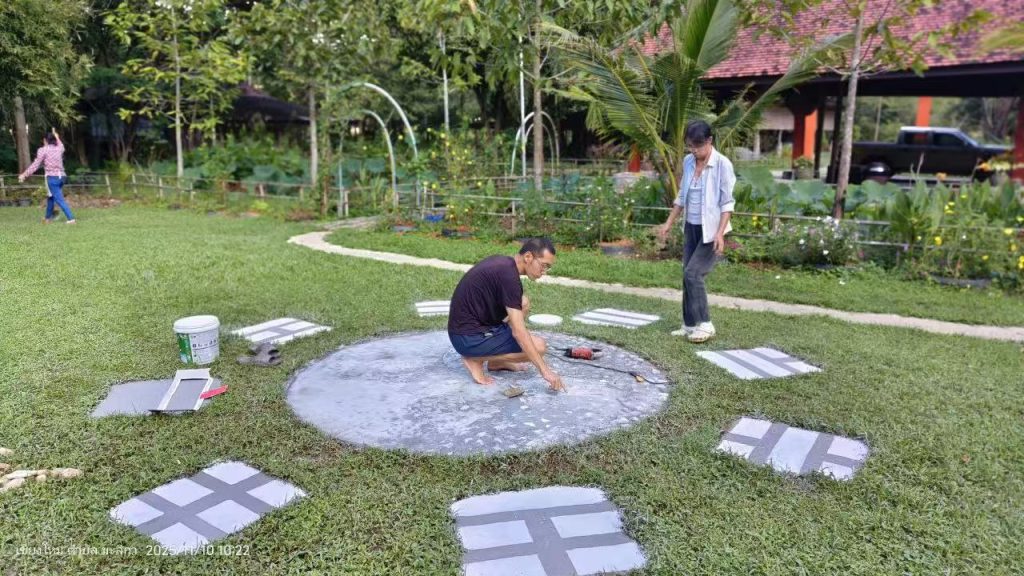
We eat every meal together. We work together — in the garden, in the kitchen, building and repairing structures. We celebrate together — festivals, bonfires, music, dance. We learn together — weekly study sessions and life meetings where we reflect openly on how things are going. And we grow together — the community’s culture expects and supports continuous personal development.
This is not a schedule imposed by management. It is a rhythm that has evolved over seventeen years of practice. It works because it addresses the whole person — body, mind, and spirit — not just the logistics of shared housing.
What a scholar saw that we sometimes forget
One of the most valuable things about Introvigne’s visit was that he noticed things we had stopped noticing. When you live inside something every day, you lose perspective on what makes it remarkable.
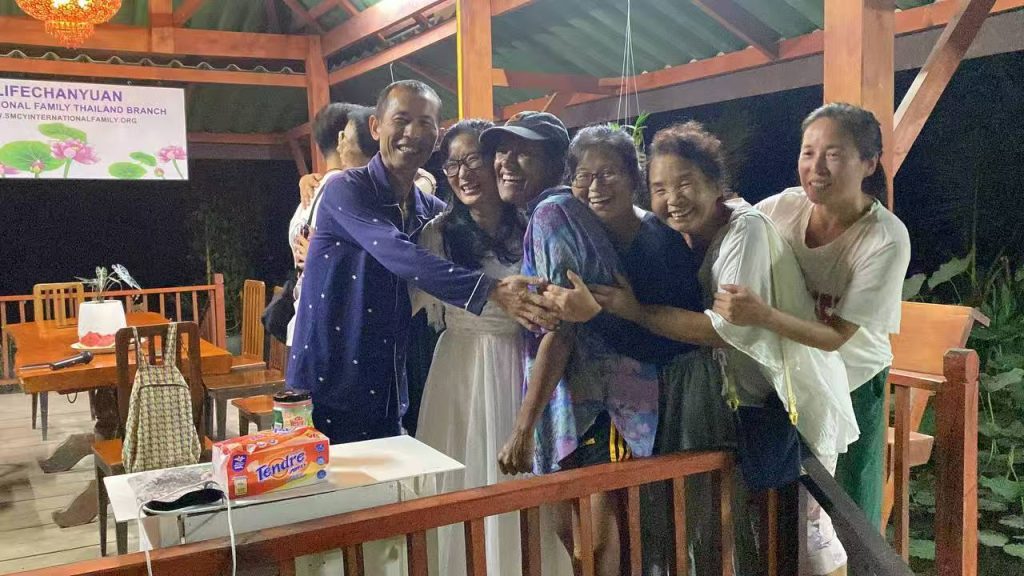
He noticed that our members come from extraordinarily diverse backgrounds — former spiritual seekers who had explored Christianity, Buddhism, Taoism, New Age teachings, and more. He noticed that despite this diversity, there was a coherent culture — not enforced, but genuinely shared. He noticed that the community’s rejection of the nuclear family, which sounds radical in theory, produced in practice a warmth and mutual care that most families never achieve.
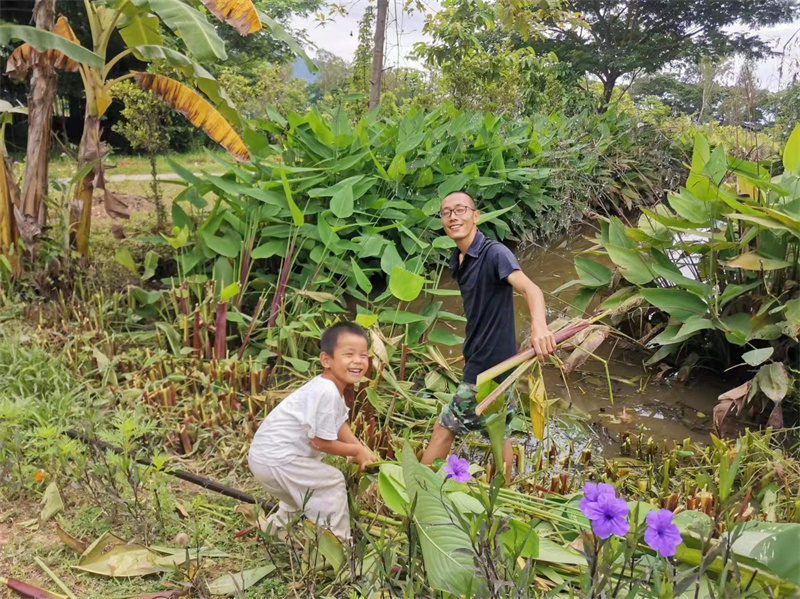
And he noticed something that matters more than any structural feature: the people were happy. Not performing happiness. Not ideologically committed to the appearance of happiness. Just — happy. Working in the garden, cooking meals, sitting together in the evening. Ordinary happiness, lived in an extraordinary context.
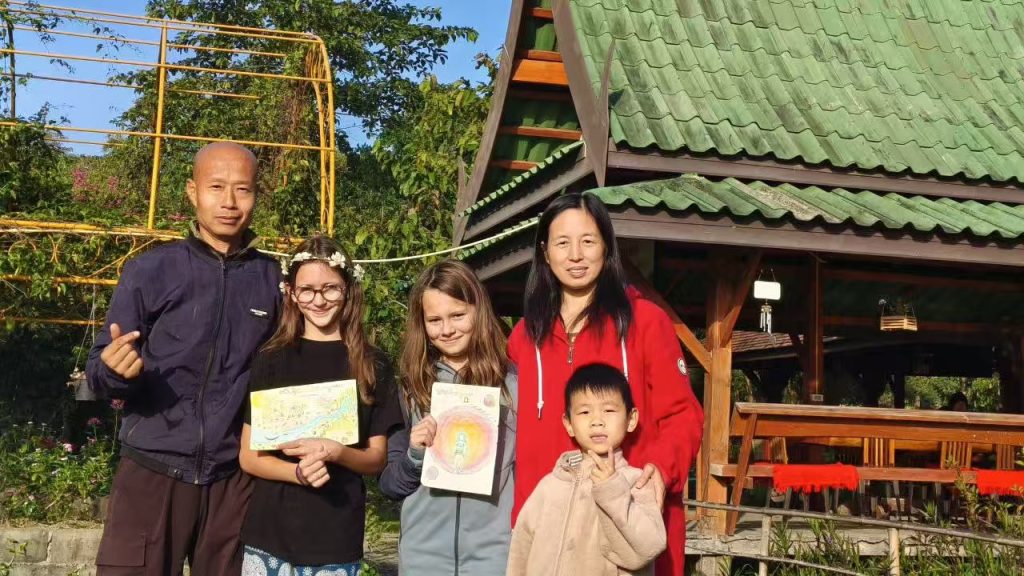
The real test
The real test of a community is not whether it can attract members. Any compelling vision can do that. The real test is whether it can hold them — through boredom, through conflict, through illness, through the slow erosion of novelty.
Second Home has been tested by forced evictions. By cross-continental relocations. By the departure of members who couldn’t sustain the commitment. By the daily friction of people with different temperaments living in close quarters. By everything that kills communities.
We’re still here. Not because we’re perfect — we aren’t. But because we built something that is stronger than any individual’s enthusiasm or any individual’s frustration. We built a shared foundation, a culture of joy, a practice of honesty, and a way of life that continues to make sense even after seventeen years of living it.
That’s the answer to the problem with intentional communities. The problem isn’t the intention. It’s the lack of structure, depth, and commitment to make the intention real — day after day, year after year, decade after decade.
We’ve made it real. Come see for yourself.
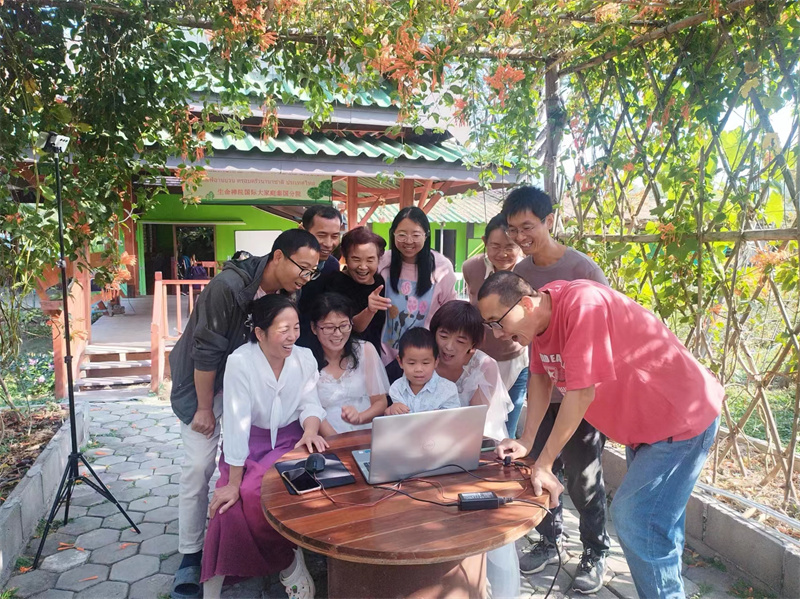
If this is your first time learning about us, please read more.
What We Learned from 18 Years of Living in Community
5 Things That Surprised Visitors at Second Home
Why We Left Our Jobs and Moved to a Farm in Thailand
The Problem with Intentional Communities — and How We Solved It
Visit Second Home
Second Home is in Mae Tha Ton, Chiang Mai, Thailand. Visitors are welcome.
Email: [email protected] WhatsApp: +66 90 933 7102 Website: civ3.lifecosmos.org
Want to learn more first? Download our free guide: A Short Guide to Civilization 3.0
Second Home is a life-centered community practicing the principles of Civilization 3.0. Founded in 2009, with communities in Thailand, Canada, and South Korea. Visited and documented by scholars, journalists, and over 500 individuals from 30+ countries. Learn more at civ3.lifecosmos.org.