By the people of Second Home · April 2026
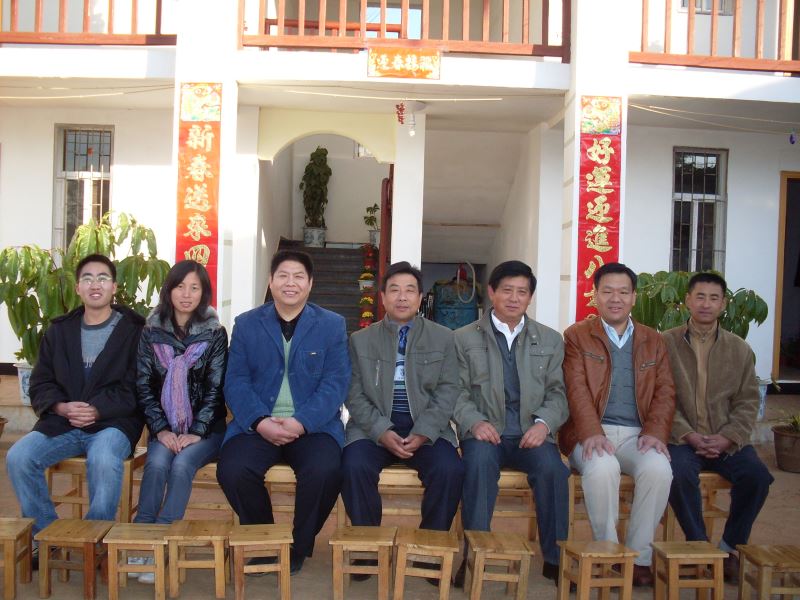
In 2009, Anning Yunnan Branch 1 of Second Home
In April 2009, a small group of people in China did something that most of the world would call crazy. They gave up their apartments, their savings accounts, their individual kitchens. They moved onto a piece of shared land and began eating every meal together, working side by side, and making decisions not as a company or a family, but as something that didn’t have a name yet.
Seventeen years later, we’re still here. Not the same people, not the same land — we’ve been uprooted and rebuilt more than once — but the experiment is alive. At our peak in China, over eighty people — including elders and children — lived together at a single branch. Today we live in Chiang Mai, Thailand, with sister communities in Canada and South Korea, and more than five hundred visitors from over thirty nations have come to see what we’re doing.
Here is some of what we’ve learned.
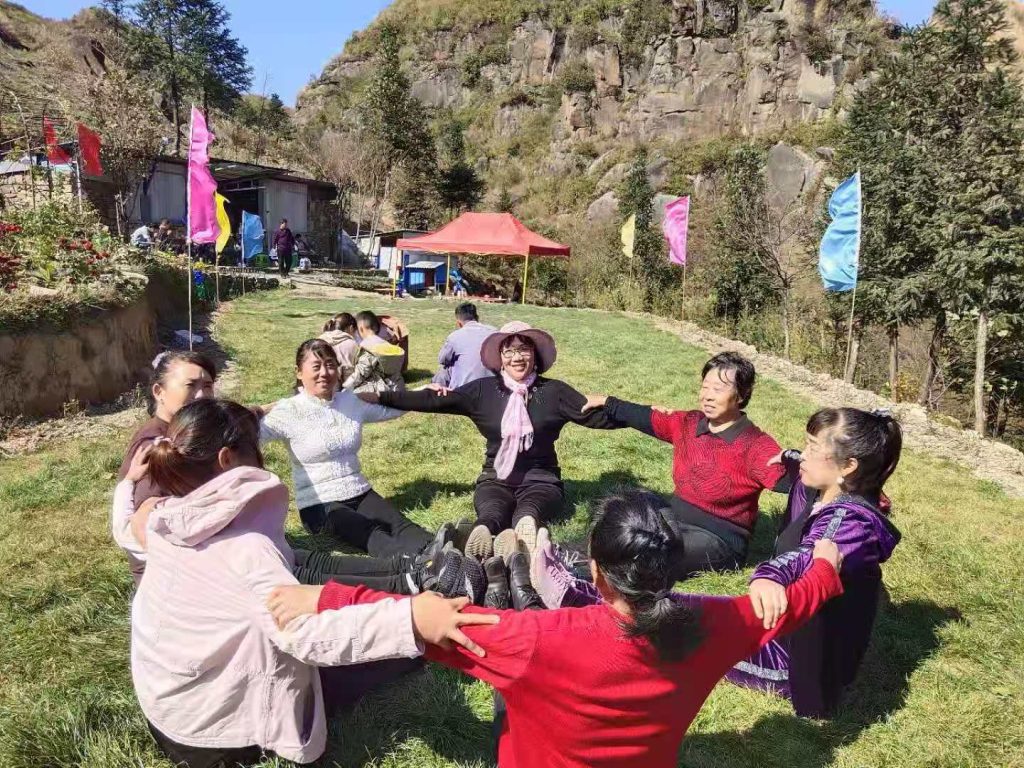
In 2020, the Guizhou branch of the Second Home
1. The hardest part is not sharing money. It’s sharing yourself.
Most people assume the biggest challenge of communal living is financial. Who pays for what? What if someone doesn’t contribute enough?
In practice, money was one of the easiest things to figure out. We pool everything. No one has a private income. No one pays rent. The community provides food, shelter, clothing, and care — for everyone, equally, for life. Once you set up that structure, the anxiety around money largely disappears. It turns out that most of the stress people feel about money is not actually about money. It’s about security. And security, it turns out, can come from people instead of from a bank account.
The harder thing is emotional. Living with twenty people means your patterns, your moods, your blind spots — they’re all visible. There is nowhere to hide. You can’t slam your bedroom door and pretend a conflict didn’t happen, because you’ll be eating breakfast with that person tomorrow morning. And the morning after that.
This is uncomfortable. It is also the most powerful personal growth tool we’ve ever encountered. Nothing teaches you about yourself faster than a community of people who see you clearly and care about you anyway.
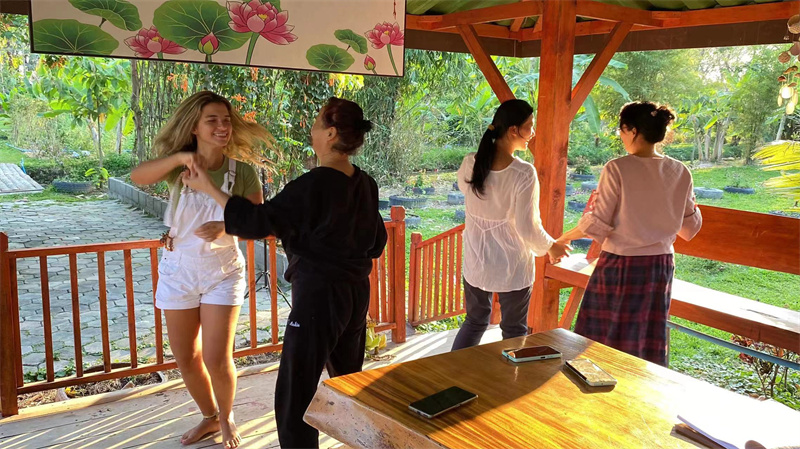
In 2021, Thailand Branch of Second Home
2. Conflict doesn’t destroy community. Avoidance does — and shared principles are the anchor.
In our early years, we made the mistake many communities make: we tried to be nice. We thought that harmony meant the absence of disagreement. We were wrong.
What we learned is that real harmony is not silence — it’s the ability to move through friction honestly and come out the other side still committed to each other. The communities that fail are not the ones with the most conflict. They’re the ones where people swallow their frustrations, smile through resentment, and eventually leave in the middle of the night.
We developed a culture of directness. If something bothers you, you say it — not in anger, not in accusation, but as a fact: this is what I experienced, and this is how it affected me. It took years to get good at this. We’re still practicing.
But directness alone isn’t enough. What makes it work is that everyone in the community shares a common set of principles and procedures. We call them the 800 Values for a New Era of Humanity and the Second Home Production and Living Procedures. These are not rules imposed by authority. They are agreements — about how to work, how to resolve disagreements, how to care for the land, how to live simply. When a conflict arises, we don’t just rely on personal goodwill. We return to the shared framework. That’s the anchor. Personal relationships fluctuate; shared principles hold.
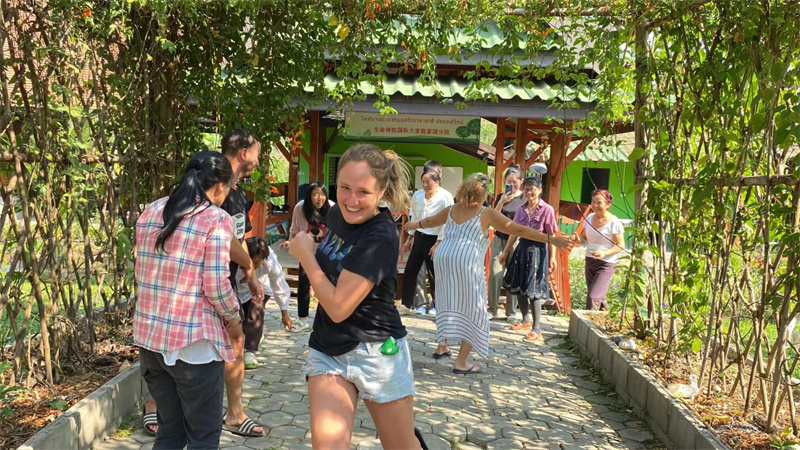
In 2025, Thailand Branch of Second Home
3. You need less than you think. Much less.
Before joining Second Home, most of us lived ordinary lives. Jobs, apartments, cars, closets full of clothes. The transition to shared living meant letting go of almost all of it.
What surprised us was how little we missed.
It turns out that most of what we owned was not serving us — it was burdening us. The maintenance, the insurance, the upgrades, the storage, the worry about theft or damage. When all of that falls away, what remains is a startling lightness. You eat fresh food from the garden. You wear simple clothes. You sleep in a clean room with a good bed. You have everything you need, and almost nothing you don’t.
This isn’t austerity. It’s clarity. The difference is that austerity is deprivation chosen for discipline. Clarity is the natural result of realizing that most consumption is not about need — it’s about filling a void that consumption can never fill.
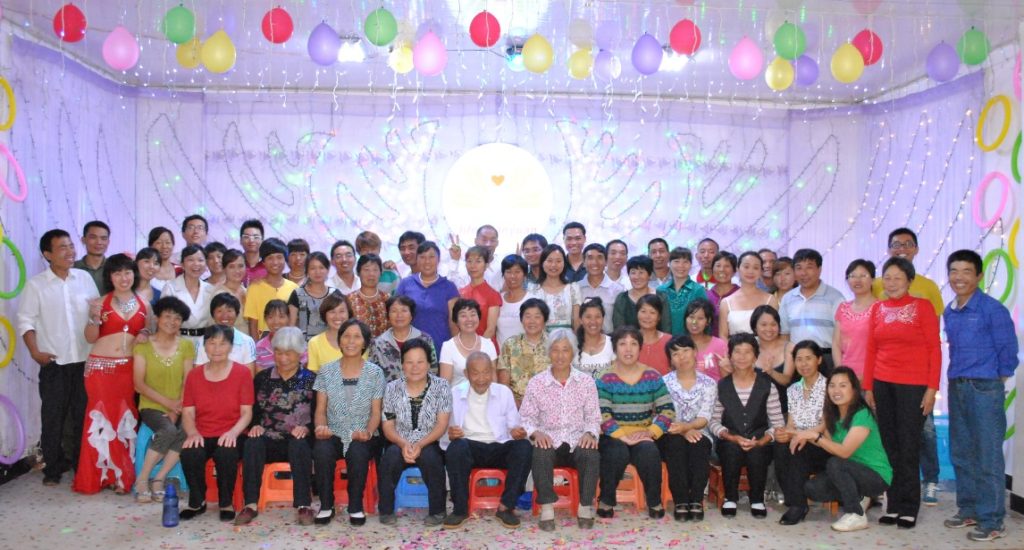
In 2012, Anning Yunnan Branch 1 of Second Home
4. It’s not just eating together. It’s doing everything together.
Many intentional communities emphasize shared meals, and so do we — we eat together every meal, every day. But if meals were the only thing we shared, this community would not have lasted eighteen years.
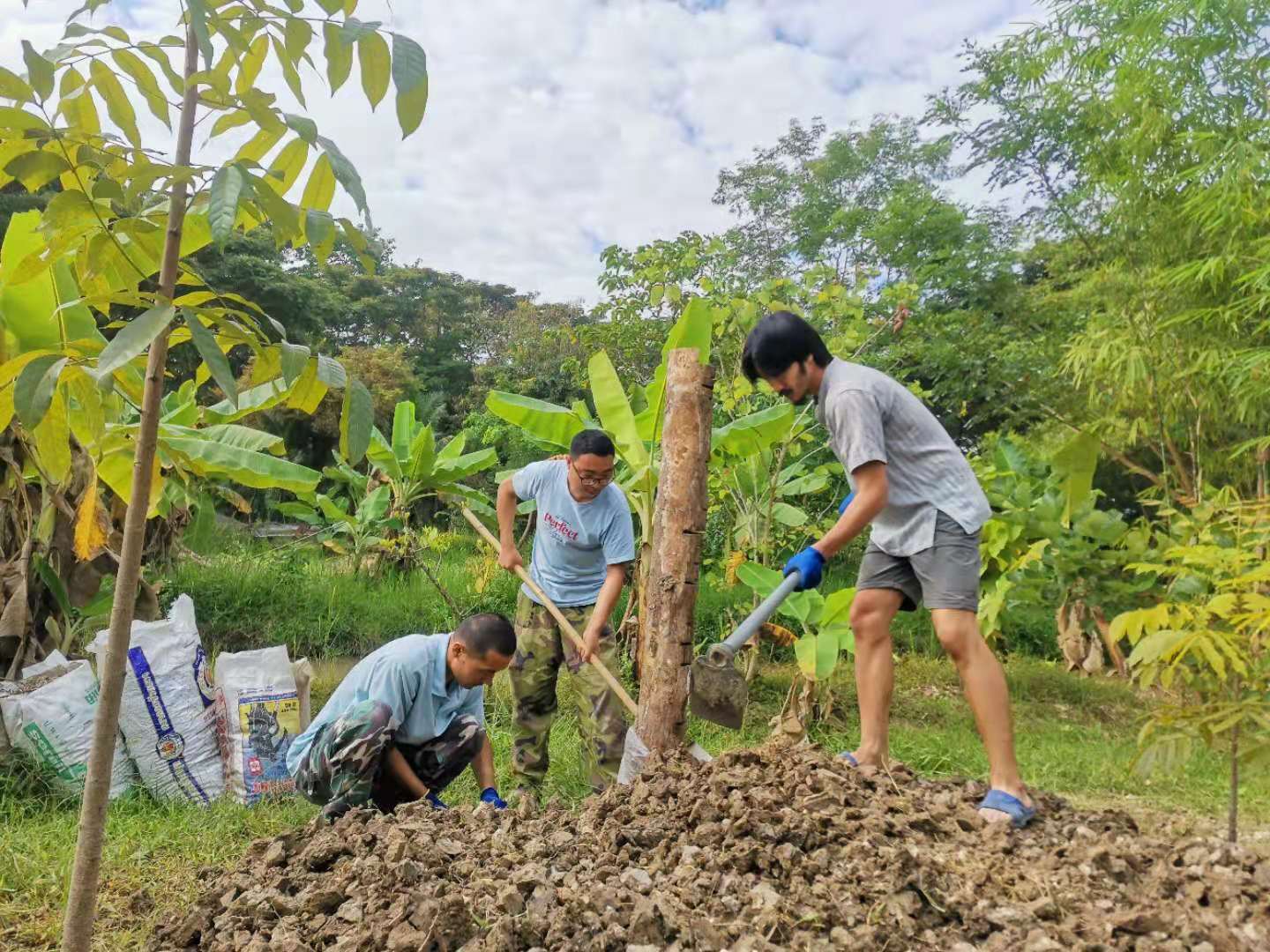
What holds Second Home together is the full texture of collective life. We work together: gathering compost materials, planting potatoes, building houses, paving roads. We celebrate together: wrapping dumplings for festivals, barbecuing outdoors, playing games, staging song-and-dance performances, gathering around bonfires. And we learn together: every week there is a group study session, and every week a life meeting where we reflect openly on how things are going — what’s working, what’s not, what needs to change.
This rhythm of shared labor, shared celebration, and shared reflection is what creates the bonds. It’s not one activity that does it — it’s the accumulation of hundreds of ordinary moments. When you’ve spent a full day hauling stones with someone to build a path, and then sat around a fire with them that same evening singing songs, and then the next morning heard them speak honestly about something they’re struggling with — you know that person. Not in the way you “know” a colleague or a neighbor. You know them the way family knows each other, except you chose this family, and they chose you.
At our largest branch in China, over eighty people lived this way — elders, children, everyone in between. What visitors consistently remark on is not any single impressive thing, but the feeling: these people genuinely enjoy being together. That feeling is not manufactured. It is the natural result of a life lived in common.
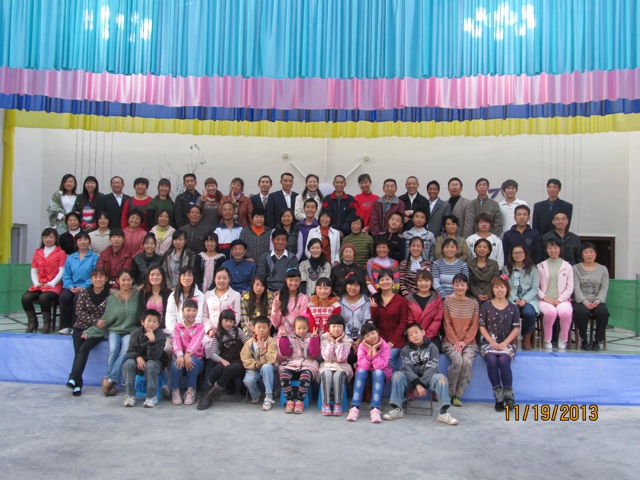
In 2013, Lincang Yunnan Branch 4 of Second Home
5. Children thrive when the village is real.
We have children in our community. They are not homeschooled in the formal sense, though they learn constantly — from the garden, from the kitchen, from the adults around them, from the visitors who come from every corner of the world.
What we’ve observed is that children who grow up in community are remarkably secure. They have not one or two adults who care for them, but twenty. They see adults resolving conflicts, working together, celebrating together. They grow up knowing that the world is not a place of isolated nuclear families competing against each other, but a web of relationships where people genuinely look out for one another.
This is, of course, how children grew up for most of human history. The isolated nuclear family is a very recent invention — and, we would argue, not a very successful one. We did not set out to reinvent child-rearing. We simply built a community, and discovered that children raised in community are calmer, more confident, and more socially fluent than we had any right to expect.
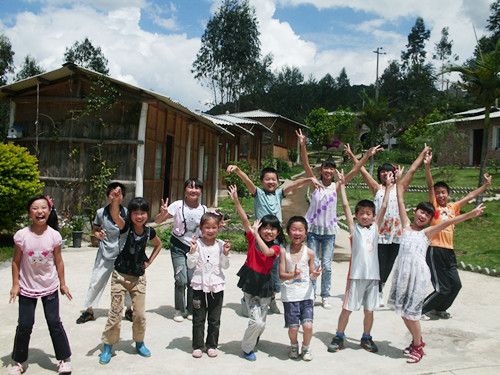
In 2012, Lincang Yunnan Branch 4 of Second Home
6. You will be tested. The community that survives is the one that doesn’t quit.
We have been evicted. We have been misunderstood. We have had members leave in difficult circumstances. We have rebuilt from scratch more than once, in more than one country. If someone told us in 2009 what the next seventeen years would look like, we might not have believed them.
And yet — here we are. Bigger, stronger, and more certain than ever that this way of life works.
The lesson is simple, though it is not easy: community is not a destination. It is a practice. Like any practice, it has good days and bad days. The difference between communities that last and communities that don’t is not talent, or luck, or funding. It is the willingness to keep going. To sit down at the table the morning after the worst argument you’ve ever had, and pass the rice.
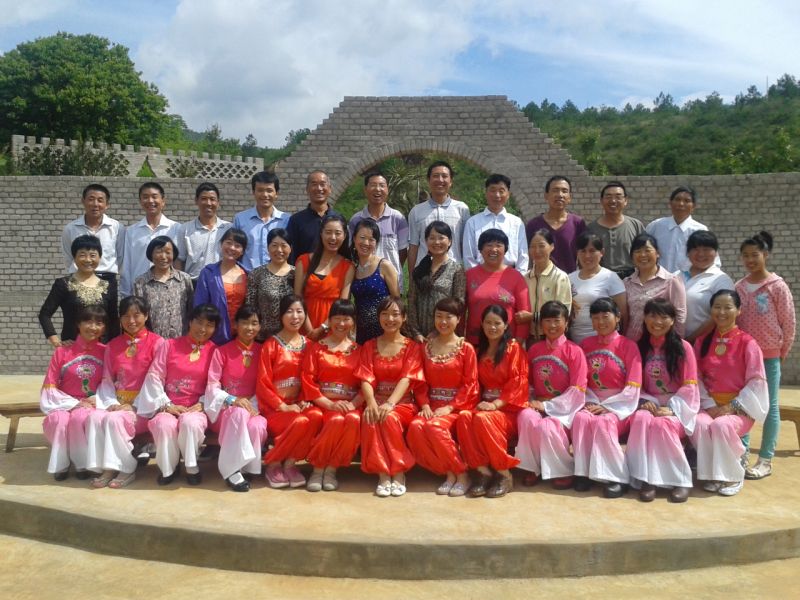
In 2016, Lijiang Yunnan Branch of Second Home
7. The world is ready for this. It just doesn’t know it yet.
Every week, we receive messages from people around the world — from São Paulo, from Berlin, from Lagos, from Seoul — who have found our website or our videos and felt something click. Not everyone who writes will visit. Not everyone who visits will stay. But the volume and the sincerity of these messages tell us something important: the longing for a different way of life is not niche. It is universal.
People are tired. Tired of competing. Tired of performing. Tired of the loneliness that somehow coexists with constant connectivity. They sense that the way things are organized is not the only way they could be — and they’re right.
We are not the only community experimenting with alternatives. But we may be one of the few that has been doing it long enough to know what actually works. And what works is simpler than most people expect: share your resources, eat together, tell each other the truth, take care of the land, and don’t quit.
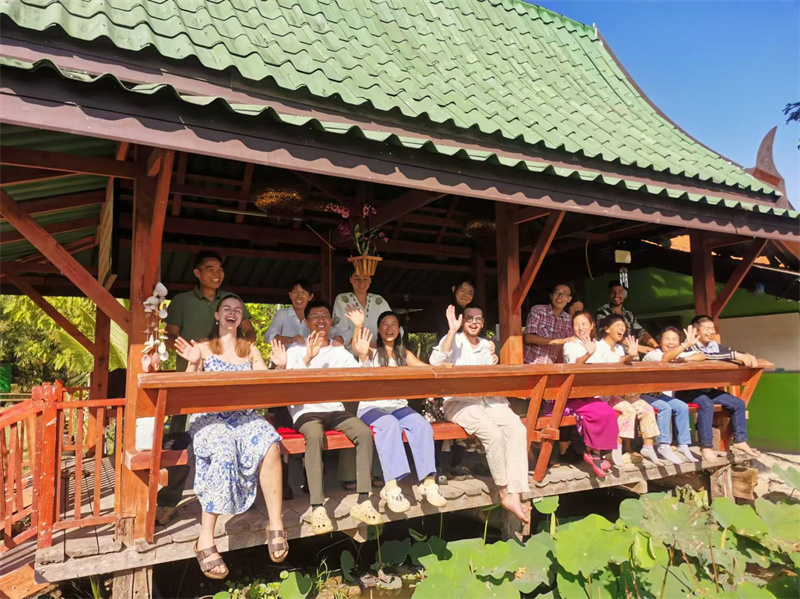
In 2025, Thailand Branch of Second Home
If this is your first time learning about us, please read more.
What We Learned from 18 Years of Living in Community
5 Things That Surprised Visitors at Second Home
Why We Left Our Jobs and Moved to a Farm in Thailand
The Problem with Intentional Communities — and How We Solved It
Come see for yourself
Second Home is in Mae Tha Ton, Chiang Mai, Thailand. We welcome visitors — for a few days, a few weeks, or longer. There’s no application process and no fee. Just write to us and tell us a little about yourself.
Email: [email protected]
WhatsApp: +66 90 933 7102
Website: civ3.lifecosmos.org
If you’re not ready to visit, that’s fine too. You can start by downloading our free guide: A Short Guide to Civilization 3.0.
Everyone who finds their way here — it’s never really by accident.
Second Home is a life-centered community practicing the principles of Civilization 3.0 — a way of organizing human life around sharing, cooperation, and the flourishing of life. Founded in 2009, it has grown to four locations across three continents. Learn more at civ3.lifecosmos.org.